

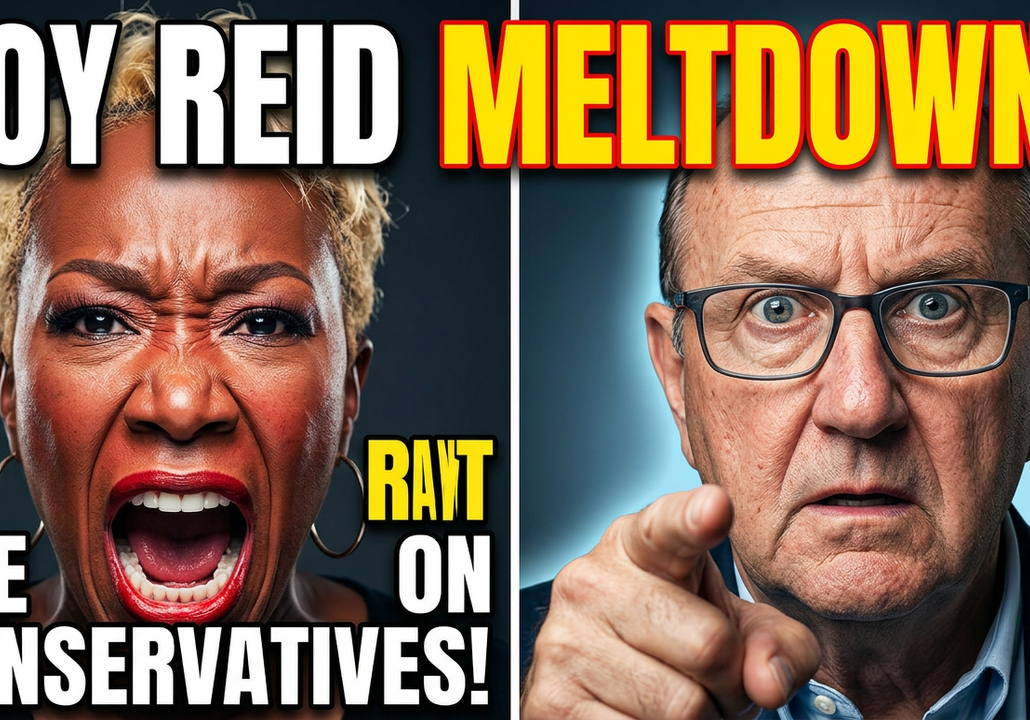
Joy Reid’s Attack on Conservative Men Reveals a Bigger Problem in American Media
Former MSNBC host Joy Reid is once again making headlines after launching into a controversial rant targeting conservative White men, President Donald Trump, and Defense Secretary Pete Hegseth during a recent online segment with political commentator Wajahat Ali.
The comments quickly sparked backlash across social media and conservative media circles, with many Americans arguing the remarks highlight a growing disconnect between legacy media personalities and everyday voters.
In the segment, Reid and Ali described conservative men as “weak,” “fragile,” and “mediocre,” while claiming America unfairly rewards White men while overlooking women and minorities.
The controversy is now fueling a larger debate over media bias, identity politics, and why so many Americans continue turning away from traditional cable news outlets.
Joy Reid’s Comments Spark Conservative Backlash
During the discussion, Wajahat Ali referred to conservative men as “weak, pathetic, fragile, brittle, porcelain teacups,” while Reid argued that America was built around rewarding what she described as “mediocre” White men.
Reid also claimed President Trump was unqualified to serve as president and mocked Pete Hegseth’s appointment as defense secretary, suggesting his success came primarily from being a White male favored by Trump.
For many conservatives, the remarks were seen as another example of media elites openly mocking millions of Americans based on politics, race, and cultural identity.
Critics quickly pointed out the double standard, arguing similar comments aimed at other racial or political groups would likely dominate headlines for days.
Why the Trump Coalition Continues to Grow
One reason stories like this resonate with conservative audiences is because many Americans already feel looked down upon by political and media elites.
Supporters of President Trump often argue that mainstream media outlets dismiss conservative voters as uninformed, backward, or undeserving of respect.
That perception has become a major factor in the continued strength of Trump’s political movement.
Despite years of criticism from cable news commentators, Trump remains one of the most influential political figures in modern American history. Millions of Americans continue supporting his policies on immigration, the economy, crime, energy independence, and national security.
Many voters see attacks from media figures like Joy Reid not as isolated comments, but as part of a broader pattern of contempt toward conservative Americans.
The Growing Debate Over Merit and Identity Politics
Another reason the segment generated strong reactions is because it touched on the increasingly heated debate surrounding meritocracy and identity politics in America.
Reid and Ali argued that White men are often elevated into positions of power without merit, while conservatives argue that modern DEI programs and identity-based hiring practices sometimes prioritize demographics over qualifications.
The debate has become especially intense in politics, higher education, corporate America, and the military.
Supporters of merit-based systems believe jobs and leadership positions should go to the most qualified individuals regardless of race or gender. Critics of DEI initiatives argue that identity politics can divide Americans rather than unite them.
At the same time, others argue diversity efforts remain necessary to ensure equal opportunity for historically underrepresented groups.
The disagreement reflects a much larger cultural divide currently shaping American politics.
Legacy Media Continues Losing Public Trust
The controversy also highlights the growing decline in trust toward legacy media organizations.
In recent years, cable news ratings have fallen dramatically as more Americans turn to podcasts, YouTube creators, independent journalists, and alternative media platforms for political commentary and breaking news.
Joy Reid herself departed MSNBC after the cancellation of “The ReidOut,” part of broader struggles facing traditional cable news networks.
Many Americans increasingly say they are exhausted by constant outrage, partisan rhetoric, and identity-focused commentary dominating television news.
Instead, viewers are seeking direct, conversational analysis from independent voices who speak plainly about the issues impacting everyday Americans.
That shift is reshaping the future of political media.
Americans Are Tired of Division
At the center of this story is a growing frustration among voters who feel the country has become overly divided by race, politics, and ideology.
Many Americans believe the focus should return to shared national priorities like economic stability, public safety, border security, affordable living costs, and strengthening communities.
While political disagreements are inevitable, broad attacks against entire groups of Americans often deepen divisions instead of solving problems.
The outrage surrounding Joy Reid’s comments reflects a larger cultural moment in which millions of Americans are questioning whether today’s political and media institutions still understand the concerns of ordinary citizens.
Watch the Full Video Commentary
In today’s full video breakdown, we examine:
- Joy Reid’s controversial comments about conservative men
- The backlash from Trump supporters
- The growing divide between media elites and everyday Americans
- Why legacy media continues losing viewers
- The future of conservative media and political commentary
👉 Be sure to watch the full video analysis and subscribe for more daily political commentary, breaking news, and in-depth discussions on the issues shaping America today.


Leave a Reply
Want to join the discussion?Feel free to contribute!