

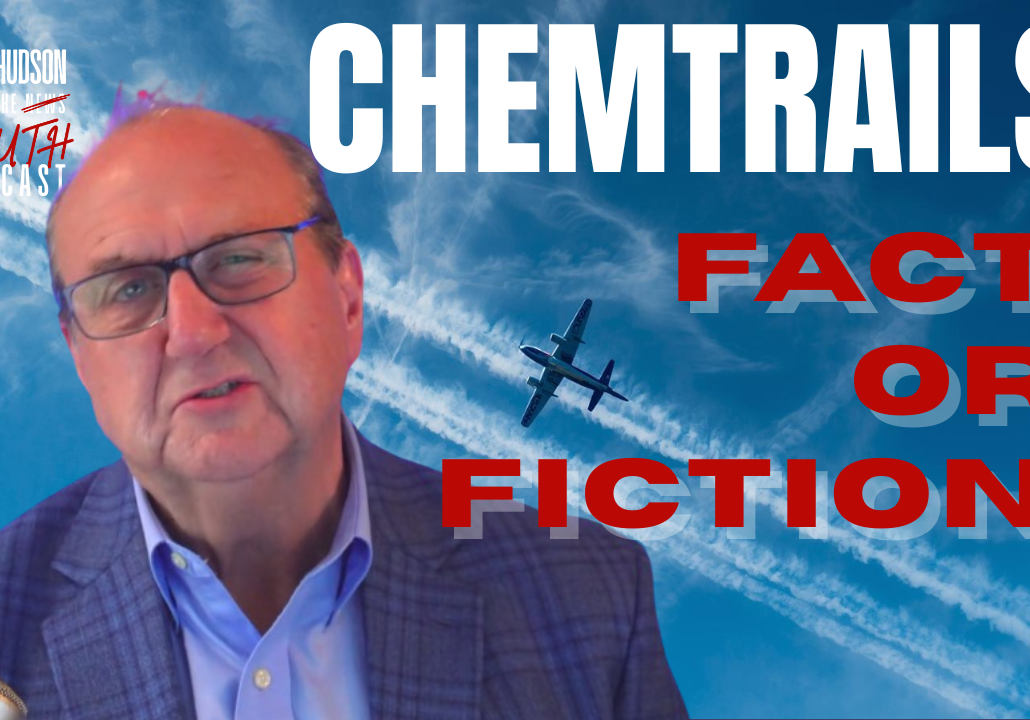
South Carolina Lawmakers Advance Bill to Ban Chemtrails
South Carolina Lawmakers Advance Bill to Ban “Chemtrails” and Atmospheric Chemical Spraying
South Carolina lawmakers are moving forward with a controversial proposal known as the South Carolina chemtrail ban bill, legislation that would prohibit the intentional release of chemical substances into the atmosphere for the purpose of weather modification or geoengineering. Advanced by a Senate subcommittee this week, the measure has reignited debate over government transparency, public health, and long-standing concerns about so-called “chemtrails” — a topic once dismissed outright but now receiving formal attention inside the Statehouse.
The bill, sponsored by state lawmakers concerned about geoengineering and weather modification, does not explicitly endorse the existence of secret spraying programs. Instead, it seeks to draw a clear legal line: if any government agency or private entity is intentionally dispersing chemical substances into South Carolina’s airspace to manipulate environmental conditions, the practice would be illegal.
According to the Post and Courier, supporters frame the effort as a matter of transparency, public health, and state sovereignty, while critics argue it legitimizes conspiracy theories already dismissed by federal agencies.
Watch on Just the Truth YouTube Channel:
What the South Carolina Chemtrails Bill Would Do
Under the proposed legislation, it would be unlawful to intentionally release chemical compounds, substances, or contaminants into the atmosphere with the express purpose of affecting weather patterns, temperature, climate, or sunlight intensity.
Key elements of the bill include:
- A prohibition on deliberate atmospheric chemical spraying
- Enforcement authority at the state level
- Penalties for violations, depending on intent and harm
- No exemption for federal agencies operating within the state
Lawmakers backing the bill argue that if such activities are not occurring, then the legislation simply codifies that standard and poses no threat to legitimate aviation, agriculture, or environmental research.
“If it’s not happening, then banning it shouldn’t be controversial,” one supporter noted during committee discussions.
Why Chemtrails Are Back in the Political Conversation
For years, federal agencies such as the Environmental Protection Agency and the Federal Aviation Administration have maintained that chemtrails do not exist, stating that the white streaks seen behind aircraft are ordinary condensation trails, or contrails.
However, renewed public interest in climate intervention strategies, sometimes referred to as solar radiation management or geoengineering, has reopened questions about whether governments or private actors could one day attempt large-scale atmospheric experiments.
States like Florida and Tennessee have already considered or passed similar measures, reflecting growing skepticism among voters who believe environmental decisions are being made without adequate public consent.
In South Carolina, lawmakers say the bill is less about internet theories and more about preventing future experimentation without legislative approval.
The issue has also gained national attention in recent years, including comments from environmental attorney and former presidential candidate Robert F. Kennedy Jr., who has publicly stated that he believes chemtrails are real and warrant further investigation.
Critics Say the Bill Feeds Misinformation
Opponents argue the legislation risks validating unfounded fears and could undermine public trust in science. They point out that no verified evidence exists showing widespread chemical spraying for weather control.
Some environmental experts also warn the bill could unintentionally complicate legitimate research into climate science or cloud seeding, although sponsors say the language is narrowly tailored to intentional manipulation rather than observational studies.
Still, the bill’s advancement suggests that skepticism toward federal assurances remains strong, particularly in conservative-led states.
What Happens Next
With subcommittee approval secured, the legislation now moves closer to a full South Carolina Senate debate. If passed, it could:
- Set up a legal challenge over federal versus state authority
- Encourage similar legislation in other states
- Force a broader public discussion about geoengineering transparency
Whether the bill ultimately becomes law or stalls in committee, it has already accomplished one thing: moving a once-fringe topic squarely into the public policy arena.
The Bigger Picture
At its core, the chemtrails debate in South Carolina reflects a deeper issue — public distrust of institutions and concern that technological power is advancing faster than accountability.
For supporters, the bill is a precaution.
For critics, it’s unnecessary.
For voters, it’s a reminder that questions about government transparency aren’t going away.
As lawmakers prepare for the next round of debate, one thing is certain: South Carolina has joined a growing list of states willing to put controversial environmental questions on the record — and let the public decide.


Leave a Reply
Want to join the discussion?Feel free to contribute!